
Boost Recovery with Postoperative Lymphatic Massage: Unlocking Lymphatic Massage Recovery Benefits
Recovering from surgery can be a challenging journey. Swelling, discomfort, and slow healing often make the process feel longer than we want. But what if I told you there’s a gentle, effective way to speed up your recovery and feel better faster? That’s where postoperative lymphatic massage comes in. This specialised massage technique is designed to stimulate your lymphatic system, helping your body flush out toxins, reduce swelling, and promote healing. I’ve seen firsthand how lymphatic massage recovery benefits can transform the postoperative experience, and I’m excited to share everything you need to know!
What Is Postoperative Lymphatic Massage?
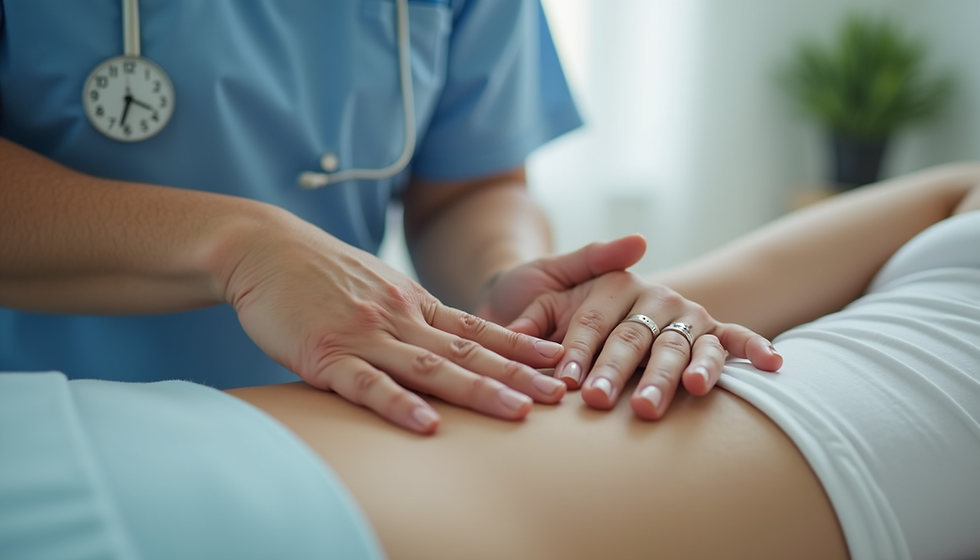
Postoperative lymphatic massage is a gentle, rhythmic massage technique that targets the lymphatic system. Unlike traditional massage, which focuses on muscles, this massage encourages the flow of lymph fluid through your body’s lymph vessels. After surgery, your lymphatic system can become sluggish or blocked, leading to swelling and discomfort. By stimulating lymph flow, this massage helps your body remove excess fluid, reduce inflammation, and speed up tissue repair.
Imagine your lymphatic system as a network of tiny highways carrying waste and toxins away from your tissues. When these highways get congested after surgery, lymphatic massage acts like a traffic controller, clearing the way for smooth flow. This not only eases swelling but also supports your immune system, which is crucial for healing.

Lymphatic Massage Recovery Benefits You Can Count On
You might be wondering, “What exactly can lymphatic massage do for me after surgery?” Let me break down the key benefits that make this therapy a game changer for recovery:
Reduces Swelling and Edema: Surgery often causes fluid buildup, leading to uncomfortable swelling. Lymphatic massage helps drain this excess fluid, reducing puffiness and pressure.
Speeds Up Healing: By improving circulation and lymph flow, the massage delivers oxygen and nutrients to damaged tissues faster, promoting quicker repair.
Relieves Pain and Discomfort: Swelling can cause tightness and pain. As the massage reduces fluid retention, you’ll notice less discomfort and more freedom of movement.
Boosts Immune Function: The lymphatic system plays a vital role in immune defense. Stimulating it helps your body fight infection and inflammation more effectively.
Prevents Scar Tissue Formation: Gentle massage can soften tissues and prevent adhesions, leading to smoother, less noticeable scars.
Enhances Relaxation and Wellbeing: The calming nature of lymphatic massage reduces stress and supports overall mental health during recovery.
These benefits are why I always recommend considering lymphatic massage as part of your postoperative care plan. It’s a natural, non-invasive way to support your body’s healing process.
How Does Lymphatic Massage Work After Surgery?
Understanding how lymphatic massage works can help you appreciate its value even more. The technique involves light, precise strokes that follow the direction of lymph flow. A trained therapist uses their hands to gently stretch the skin, encouraging lymph fluid to move towards lymph nodes where it can be filtered and processed.
After surgery, your lymphatic vessels may be damaged or compressed, causing fluid to pool in the tissues. This pooling leads to swelling, stiffness, and sometimes pain. Lymphatic massage helps by:
Stimulating Lymph Vessels: The gentle pressure activates the lymphatic vessels, increasing their pumping action.
Opening Lymphatic Pathways: The massage helps clear blockages and opens new pathways for fluid drainage.
Encouraging Detoxification: As lymph flows more freely, waste products and toxins are carried away from the surgical site.
Supporting Immune Cells: The lymph nodes filter harmful substances and support immune cells that protect against infection.
The beauty of this massage is that it’s gentle enough not to irritate sensitive surgical areas but effective enough to make a real difference. You’ll often feel a soothing, light sensation rather than deep pressure.

When Should You Start Postoperative Lymphatic Massage?
Timing is everything when it comes to lymphatic massage after surgery. Starting too early or too late can affect the results. Generally, it’s best to begin lymphatic massage once your surgeon gives you the green light. This is usually after the initial healing phase when wounds have closed and there’s no risk of disrupting stitches or causing bleeding.
Here are some guidelines to help you decide when to start:
Consult Your Surgeon or Healthcare Provider: Always get professional advice before beginning lymphatic massage.
Typically 48-72 Hours Post Surgery: For many surgeries, gentle lymphatic massage can start within a few days, but this varies.
Avoid If You Have Active Infection or Blood Clots: Massage can worsen these conditions, so it’s important to rule them out.
Follow a Therapist’s Recommendations: A certified lymphatic massage therapist will tailor the timing and technique to your specific needs.
Starting lymphatic massage at the right time maximises the lymphatic massage recovery benefits and helps you avoid complications.
How to Find the Right Therapist and What to Expect
Finding a qualified lymphatic massage therapist is key to a safe and effective recovery. Not all massage therapists are trained in this specialised technique, so look for someone with certification in manual lymphatic drainage or postoperative care.
Here’s how to find the right therapist and prepare for your sessions:
Ask for Recommendations: Your surgeon, physiotherapist, or local health centre may have trusted referrals.
Check Credentials: Look for therapists certified by recognised lymphatic massage organisations.
Discuss Your Surgery and Health History: Be open about your procedure, any complications, and your recovery goals.
Understand the Process: Sessions usually last 30-90 minutes and involve gentle, rhythmic strokes.
Wear Comfortable Clothing: Loose clothes make it easier for the therapist to access treatment areas.
Stay Hydrated: Drinking water before and after sessions supports lymphatic flow.
During the massage, you might feel a light pulling or tingling sensation as fluid moves. It’s normal to feel relaxed and even sleepy afterward. Many people find that regular sessions make a noticeable difference in swelling and comfort.
Simple Lymphatic Massage Techniques You Can Try at Home
While professional lymphatic massage is ideal, there are some gentle techniques you can safely try at home to support your recovery. Remember, these should never replace professional care but can complement it.
Here are a few easy steps:
Start with Deep Breathing: Take slow, deep breaths to stimulate lymph flow in your chest.
Use Light Pressure: With your fingertips, gently stroke the skin in the direction of lymph flow (usually towards the nearest lymph nodes, such as the armpits or groin).
Focus on Swollen Areas: Apply soft, circular motions around swollen or tender spots.
Avoid Massaging Over Open Wounds or Bruises: Be gentle and cautious.
Repeat Daily: Consistency helps maintain lymphatic circulation.
If you want to learn more about these techniques, many therapists offer instructional videos or workshops. Just remember, if you experience pain or increased swelling, stop immediately and consult your healthcare provider.
Embracing a Holistic Approach to Postoperative Recovery
Lymphatic massage is a powerful tool, but it works best when combined with other healthy habits. Here are some tips to boost your recovery even further:
Stay Hydrated: Water helps keep lymph fluid moving smoothly.
Eat a Balanced Diet: Nutrient rich foods support tissue repair and immune function.
Get Gentle Exercise: Walking or light stretching encourages circulation.
Rest Well: Sleep is essential for healing.
Manage Stress: Relaxation techniques like meditation can improve your overall wellbeing.
By embracing a holistic approach, you’ll maximise the lymphatic massage recovery benefits and feel stronger every day.
I hope this guide has helped you understand how postoperative lymphatic massage can be a game changer in your recovery journey. If you’re curious to explore this therapy, don’t hesitate to reach out!


Comments