
Understanding Lipedema, Lymphedema, and Lipo Lymphedema: What You Need to Know
Updated: Jul 16
What Are Lipedema, Lymphedema, and Lipo Lymphedema?
Lipedema and lymphedema are both conditions that cause swelling, but they happen for different reasons and affect the body in unique ways. Sometimes, they can occur together, which is called lipo lymphedema. Understanding these differences is crucial for effective management.
What is Lipedema?
Lipedema is a chronic condition where fat builds up abnormally, usually in the legs and sometimes the arms. It mostly affects women and often starts or worsens during hormonal changes like puberty, pregnancy, or menopause. The fat deposits in lipedema are painful and can bruise easily. Unlike regular fat, this fat doesn’t respond well to diet or exercise.
What is Lymphedema?
Lymphedema occurs when the lymphatic system, which helps drain fluid from tissues, is damaged or blocked. This causes fluid to build up, leading to swelling, usually in one limb. It can be caused by surgery, infection, injury, or sometimes it’s inherited. The swelling in lymphedema is often firm and can cause the skin to thicken over time.
What is Lipo Lymphedema?
Lipo lymphedema is when lipedema and lymphedema occur together. The fat buildup from lipedema can put pressure on the lymphatic system, causing fluid to build up and leading to lymphedema. This combination can make symptoms worse and more complex to manage.
How to Tell if You Have Lipedema, Lymphedema, or Lipo Lymphedema
Knowing which condition you have is important because it affects how you manage it. Here are some signs to look out for:
Signs of Lipedema
Symmetrical swelling in both legs or arms, usually from the hips to the ankles or wrists
Fat deposits that feel soft but painful to touch
Easy bruising on the affected areas
Skin looks dimpled or uneven, sometimes called “cottage cheese” or “orange peel” texture
Swelling does not improve with elevation or rest
The feet and hands are usually not swollen
Signs of Lymphedema
Swelling usually in one limb, but can be both
Swelling feels firm or heavy
Skin may feel tight or thickened
Swelling improves with elevation or rest but returns after activity
Pitting may occur (pressing the skin leaves a dent) in early stages
The swelling can extend to the hands or feet
Signs of Lipo Lymphedema
Combination of symptoms from both lipedema and lymphedema
Swelling and fat deposits in both limbs, often worsening over time
Painful fat deposits with areas of firm swelling
Skin changes like thickening and easy bruising
Swelling may worsen during the day and improve with rest but not completely
What Causes These Conditions and Who is at Risk?
Lipedema is thought to be linked to hormonal and genetic factors. It mostly affects women and often runs in families. Lymphedema can be caused by damage to the lymphatic system from surgery, infection, or injury. It can also be inherited. Lipo lymphedema happens when lipedema leads to lymphatic damage.
How Are These Conditions Diagnosed?
If you suspect you have one of these conditions, seeing a healthcare professional is important. They will:
Take a detailed medical history
Perform a physical exam to check swelling, skin changes, and fat distribution
Use imaging tests like ultrasound or lymphoscintigraphy to look at lymphatic function
Sometimes, blood tests to rule out other causes of swelling
Managing and Treating Lipedema, Lymphedema, and Lipo Lymphedema
While there is no cure for these conditions, there are ways to manage symptoms and improve quality of life.
Managing Lipedema
Wearing compression garments can help reduce pain and support the tissues
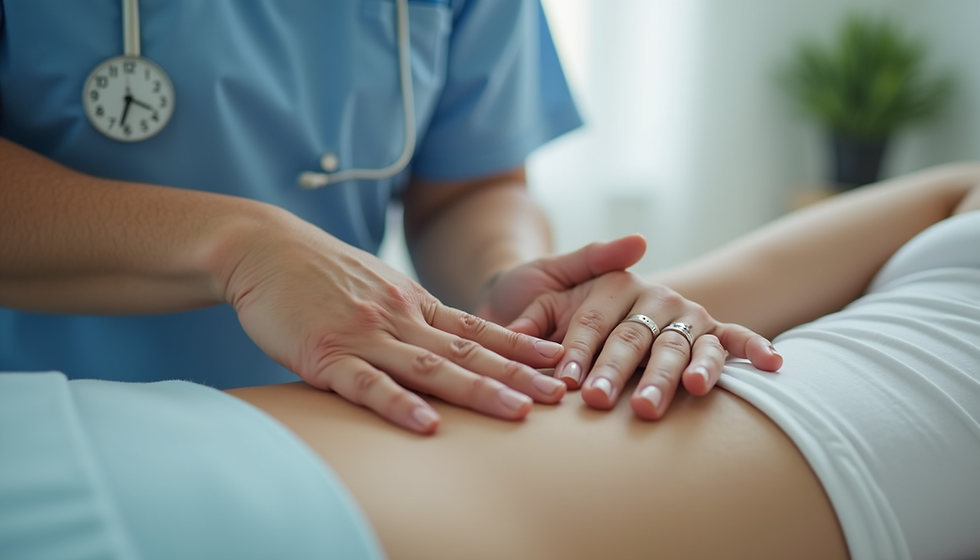
Manual lymphatic drainage (a special massage technique) can ease discomfort
Healthy diet and gentle exercise to support overall health
In some cases, liposuction designed for lipedema can reduce fat deposits
Managing Lymphedema
Compression therapy is key to controlling swelling
Manual lymphatic drainage to encourage fluid movement
Skin care to prevent infections
Exercise to improve lymph flow
In severe cases, surgery may be considered
Managing Lipo Lymphedema
A combination of treatments for both lipedema and lymphedema
Compression garments designed for both fat and fluid support
Regular lymphatic drainage and skin care
Lifestyle changes to support lymphatic health
Helpful Products for Managing These Conditions
Finding the right support can make a big difference. For example, compression garments designed specifically for these conditions can provide comfort and reduce swelling. One product is the Medi Compression Stockings, which offer graduated compression to help with lymphatic flow and support affected limbs.
Another useful option is the Lympha Press Therapy System, a device that provides pneumatic compression to stimulate lymph drainage. It’s a great tool for home use, especially if you have lipo lymphedema and need extra help managing swelling.
Compression stockings help reduce swelling and provide support for lipedema and lymphedema.
When to See a Doctor
If you notice persistent swelling, pain, or skin changes in your limbs, it’s important to get checked. Early diagnosis can help you manage symptoms better and avoid complications. If you have a family history of lipedema or lymphedema, or if swelling follows an injury or surgery, mention this to your doctor.
Living Well with Lipedema, Lymphedema, or Lipo Lymphedema
Living with these conditions can be challenging, but many people find ways to manage symptoms and enjoy life. Support groups and specialist clinics can offer advice and emotional support. Remember, you’re not alone, and help is available!
Taking small steps like wearing the right compression garments, staying active, and caring for your skin can make a big difference. If you want to learn more about managing these conditions, check out resources from trusted organisations like the Lipedema UK Charity.
Understanding your body and recognising the signs of lipedema, lymphedema, or lipo lymphedema is the first step to getting the right care. Don’t hesitate to reach out to healthcare professionals who specialise in these conditions. Your comfort and health matter.
Disclaimer: This article is for informational purposes only and does not replace professional medical advice. If you have concerns about swelling or pain, please consult a healthcare provider.


Comments