
Part 3: How Manual Lymphatic Drainage Can Support Post-Operative Recovery
Recovering from surgery can be a challenging journey. Swelling, discomfort and slow healing often make the process feel longer and tougher than expected. But what if there was a gentle, natural way to support your body’s healing after an operation? That’s where manual lymphatic drainage (MLD) comes in. This specialised massage technique can help speed up recovery, reduce swelling and improve your overall comfort.
In this post, I’ll share how manual lymphatic drainage works, why it’s beneficial after surgery and how you can incorporate it safely into your recovery plan.
What Is Manual Lymphatic Drainage?
Manual lymphatic drainage is a gentle massage method designed to stimulate the lymphatic system. The lymphatic system is part of your immune system and helps remove waste, toxins, and excess fluid from your body. After surgery, this system can become sluggish or overwhelmed, leading to swelling and discomfort.
MLD uses light, rhythmic strokes to encourage lymph fluid to flow more freely. This helps reduce swelling (also called oedema), improve circulation and support the body’s natural healing processes.
The technique is different from regular massage because it focuses on the lymph vessels and nodes rather than muscles. It’s very gentle and should never cause pain.
Why Manual Lymphatic Drainage Helps After Surgery
Surgery often causes trauma to tissues, which triggers inflammation and fluid buildup. This swelling can slow down healing and cause pain or stiffness. Here’s how MLD can help:
Reduces swelling: By encouraging lymph flow, MLD helps drain excess fluid from the surgical area. This reduces puffiness and discomfort.
Speeds up healing: Better lymph circulation means waste products and toxins are removed faster. This creates a cleaner environment for tissue repair.
Relieves pain and tension: The gentle massage can ease tightness and improve blood flow, which helps reduce pain.
Supports immune function: The lymphatic system plays a key role in fighting infection. Stimulating it can help your body defend against post-operative infections.
Improves mobility: Less swelling and pain mean you can move more comfortably, which is important for regaining strength and flexibility.
Patients find that adding MLD to their recovery routine makes a noticeable difference in how quickly and comfortably they heal.
When and How to Use Manual Lymphatic Drainage Safely
If you’re considering MLD after surgery, it’s important to get the timing and technique right. Here are some tips:
Consult your healthcare provider first. Always check with your surgeon or doctor before starting MLD. They can advise when it’s safe based on your specific surgery and condition.
Use a trained therapist. MLD requires special training to be effective and safe. Look for a certified lymphatic drainage therapist who understands post-operative care.
Start gently and gradually. The first sessions should be very light and focus on areas away from the surgical site to encourage lymph flow.
Follow your therapist’s advice. They will tailor the treatment to your needs and adjust pressure and techniques as you heal.
Combine with other recovery methods. MLD works well alongside compression garments, gentle exercise, and good nutrition.
Compression Can Support Your Post-Operative Recovery
To complement manual lymphatic drainage, certain products can make your recovery smoother and more comfortable. Compression garments help maintain the benefits of MLD by supporting lymph flow and preventing fluid buildup. They apply gentle pressure to the surgical area, reducing swelling and improving comfort. Your therapist should be able to advise.
My Recovery and What I do Today
When I had my SuperPath hip replacement in 2017, I experienced the challenges that can come with major surgery including swelling, stiffness and the process of getting back to movement. At the time, I wasn't practising Manual Lymphatic Drainage myself.
Since then, my work as a post-operative lymphatic drainage specialist has given me a much deeper understanding of how we can support the body during recovery. Today, I use manual lymphatic drainage alongside scar-focused techniques to support clients following surgery, helping them navigate swelling, tissue changes and their return to movement.
My own experience as a patient is one of the reasons post-operative recovery has become such an important part of my work. I've been the patient too!
Tips for Getting the Most from Manual Lymphatic Drainage
If you want to try MLD during your recovery, here are some practical tips:
Stay hydrated. Drinking plenty of water helps your lymphatic system flush out toxins.
Move gently. Light exercise like walking encourages lymph flow and prevents stiffness.
Be consistent. Regular MLD sessions, even short ones, provide better results than occasional treatments.
Listen to your body. If you feel pain or discomfort during MLD, tell your therapist immediately.
Combine with good skincare. Using gentle oils or creams can protect your skin and improve healing.
Remember, MLD is a supportive therapy. It works best when combined with your surgeon's advice and other recovery steps.
What to Expect During a Manual Lymphatic Drainage Session
If you book a session with a trained therapist, here’s what usually happens:
You’ll lie down comfortably, often with loose clothing or exposed areas for treatment.
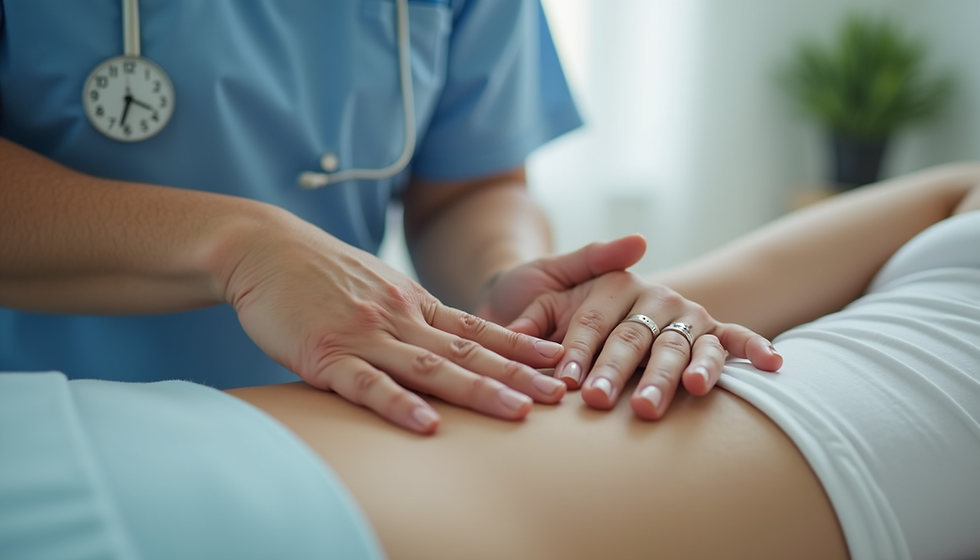
The therapist will use light, rhythmic hand movements, focusing on lymph nodes and pathways.
The pressure is very gentle, almost like a feather touch.
Sessions typically last 60 to 120 minutes, depending on the procedure.
You may feel relaxed and notice less swelling afterward.
Some people feel a little tired or thirsty after MLD, which is normal. Drinking water helps your body flush out the released toxins.
Healing after surgery can be tough, but manual lymphatic drainage offers a gentle, natural way to support your body. By reducing swelling, easing pain and improving circulation, it helps you get back to feeling like yourself sooner.
If you’re curious about trying MLD, talk to your healthcare provider and consider working with a certified therapist. Using compression garments can also boost your recovery.
Remember, your body is working hard to heal. Supporting it with the right care makes all the difference. Why not give manual lymphatic drainage a try and see how it can help you on your recovery journey?


Comments