
Understanding Post-Operative Lymphatic Drainage Benefits
Recovering from surgery can be a challenging journey. Swelling, discomfort and slow healing often make the process feel longer than it needs to be. One effective way to support your body during this time is through post-operative lymphatic drainage. This gentle therapy helps your lymphatic system work better, reducing swelling and speeding up recovery. Let’s explore what post-operative lymphatic drainage is, why it matters and how it can benefit you after surgery.
What Is Post-Operative Lymphatic Drainage?
Your lymphatic system is part of your immune system. It moves lymph fluid through your body, carrying waste, toxins, and excess fluids away from tissues. After surgery, this system can get overwhelmed or slowed down, leading to swelling (also called lymphoedema), bruising, and discomfort.
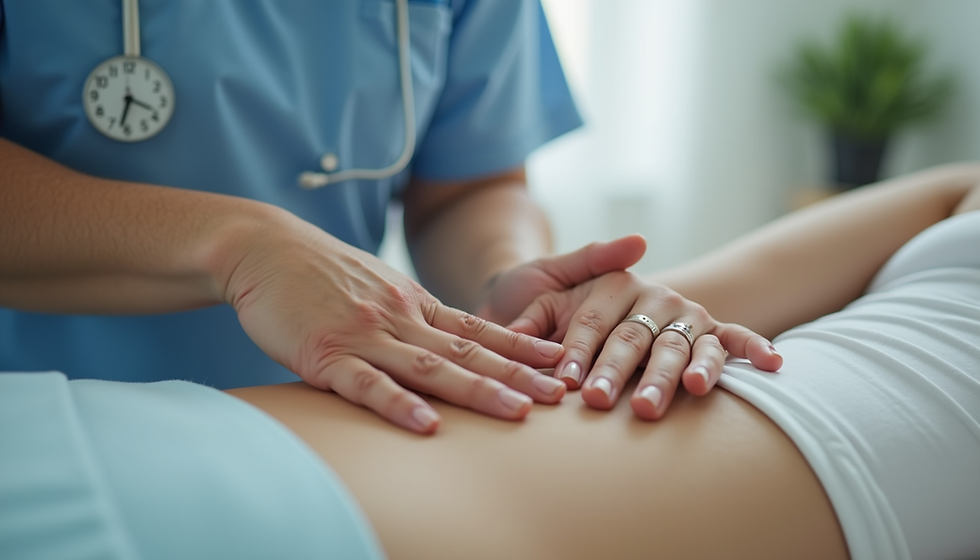
Post-operative lymphatic drainage is a special type of massage designed to stimulate the lymphatic system. It uses light, rhythmic movements to encourage lymph fluid to flow more freely. This helps reduce swelling, clear out waste and improve circulation in the affected area.
This therapy is usually done by trained therapists who understand the delicate nature of post-surgery tissues. It’s gentle and safe when performed correctly, making it a popular choice for many patients recovering from different types of surgery.
Why Is Lymphatic Drainage Important After Surgery?
Surgery causes trauma to your tissues. Your body responds by sending fluids and immune cells to the area to heal. Sometimes, this fluid builds up faster than your lymphatic system can handle. That’s when swelling happens.
Swelling can cause pain, stiffness and delay healing. It can also increase the risk of infection or scarring. By helping your lymphatic system clear this fluid, lymphatic drainage can:
Reduce swelling and discomfort
Speed up healing and tissue repair
Improve skin texture and reduce bruising
Support your immune system’s response
Help prevent long-term complications like chronic lymphedema
Many patients notice they feel lighter and more comfortable after a session. It’s a natural way to support your body’s healing process without medication.
How Does Post-Operative Lymphatic Drainage Work?
The technique involves gentle, precise movements that follow the path of your lymph vessels. The therapist uses light pressure with their hands to “push” lymph fluid toward lymph nodes where it can be filtered and drained.
The massage usually starts near the neck or collarbone, where many lymph nodes are located, then moves toward the affected area. This helps open up the drainage pathways before addressing the swollen tissues.
Sessions typically last 60 to 120 minutes and can be repeated several times during recovery. Your therapist will tailor the treatment to your surgery type, swelling level and overall health.
When Should You Consider Lymphatic Drainage After Surgery?
Not every surgery requires lymphatic drainage, but it can be very helpful in many cases. You might want to consider it if you experience:
Noticeable swelling or puffiness around the surgical site
Bruising that takes a long time to fade
Stiffness or limited movement due to swelling
Discomfort or heaviness in the affected area
Risk of lymphedema, especially after lymph node removal or cancer surgery
Always check with your surgeon or healthcare provider before starting lymphatic drainage. They can advise you on the best timing and ensure it’s safe for your specific situation.
Products That Support Post-Operative Lymphatic Drainage
Alongside professional lymphatic drainage therapy, some products can help maintain and enhance your recovery at home. Two examples include:
Compression Garments
Compression garments apply gentle pressure to the affected area, helping prevent fluid buildup and supporting lymph flow. They are often recommended after surgeries like liposuction, breast surgery, or lymph node removal.
What to Expect During a Lymphatic Drainage Session
If you decide to try post-operative lymphatic drainage, here’s what usually happens:
You’ll lie down comfortably, often with the affected area exposed.
The therapist will start with light strokes near your neck or collarbone.
They will then move to the swollen area, using gentle, rhythmic movements.
The pressure is very light, much lighter than a typical massage.
Sessions last about 60 to 120 minutes depending on your needs.
You might feel relaxed or even sleepy during the treatment.
After the session, you may notice less swelling and a feeling of lightness. Some people feel a bit tired, which is normal as your body works to clear fluids.
Tips for Maximising the Benefits of Lymphatic Drainage
To get the most from lymphatic drainage, consider these tips:
Stay hydrated. Drinking plenty of water helps your lymphatic system flush out toxins.
Move gently. Light exercise like walking or stretching supports lymph flow.
Avoid tight clothing that can restrict circulation.
Follow your surgeons' advice on compression garments or skincare.
Be patient. Healing takes time and regular sessions often bring the best results.
Remember, lymphatic drainage is a supportive therapy. It works best alongside good nutrition, rest and your doctor’s care plan.
Who Should Avoid Lymphatic Drainage?
While lymphatic drainage is safe for many, some people should avoid it or get medical advice first. These include:
Those with infections or open wounds near the treatment area
People with blood clots or deep vein thrombosis
Individuals with heart or kidney problems that cause fluid retention
Anyone with untreated cancer or active tumours
Always discuss your full medical history with your therapist and doctor before starting lymphatic drainage.
How to Find a Qualified Lymphatic Drainage Therapist
Choosing the right therapist is key to a safe and effective experience. Look for someone who:
Has specialised training in post-operative lymphatic drainage
Understands your type of surgery and recovery needs
Uses gentle, precise techniques tailored to you
Has good reviews or recommendations from healthcare providers
You can ask your surgeon or GP for referrals or search professional therapy associations online.
Final Thoughts on Post-Operative Lymphatic Drainage
Recovering from surgery is easier when you support your body’s natural healing systems. Post-operative lymphatic drainage offers a gentle, effective way to reduce swelling, ease discomfort and speed up recovery.
If you’re facing swelling or slow healing after surgery, consider asking about lymphatic drainage. It might be the missing piece in your recovery plan that helps you get back to feeling like yourself sooner.
Remember, always consult your healthcare provider before starting any new therapy. Your health and safety come first!
At Restorative Body Clinic, we use additional tools to support your treatment and recovery, including a lymph scanner to help assess lymphatic flow and deep oscillation therapy to support circulation, reduce swelling and ease discomfort. These techniques are selected according to your individual needs and treatment plan.


Comments